Elevating Visual Identity with the Ornate Diadem Decorative Element: A Guide to Calligraphic Crown Design
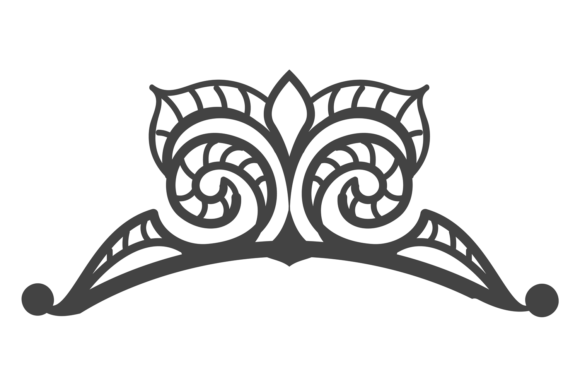
In the realm of graphic design and visual storytelling, few symbols carry as much weight and historical resonance as the crown. When this symbol is reimagined through the lens of intricate line work and fluid strokes, it becomes something far more versatile than a mere icon of royalty. The Ornate Diadem Decorative Element. Callig represents a fusion of classical heraldry and modern calligraphic artistry. This specific style of design, often characterized by sweeping curves, elaborate flourishes, and a hand-drawn aesthetic, offers creators a powerful tool for establishing authority, elegance, and sophistication in their projects.
Whether you are a brand strategist looking to elevate a logo, an educator designing certificates, or a hobbyist creating wedding invitations, understanding the nuances of these calligraphic crown designs is essential. Unlike rigid, geometric vector icons, the calligraphic approach introduces a sense of human touch and organic movement. This article explores the characteristics, applications, technical considerations, and strategic advantages of integrating these ornate elements into your visual workflow.
The Anatomy of Calligraphic Crown Aesthetics
To effectively utilize an ornate diadem decorative element, one must first appreciate its structural components. These designs are not random assemblies of lines; they are carefully constructed to mimic the pressure and flow of a traditional nib pen or brush. The "Callig" designation specifically refers to the calligraphic nature of the strokes, where thick downstrokes contrast sharply with delicate upstrokes.
The primary characteristic of these elements is their fluidity. While a standard crown icon might rely on straight lines and perfect circles to denote structure, a calligraphic diadem relies on arcs and loops. This creates a dynamic visual rhythm that guides the viewer's eye across the design. The ornamentation often extends beyond the physical boundaries of the crown itself, with tendrils and swashes that can be used to frame text or connect with other design elements.
Another defining feature is the level of detail. High-quality versions of these assets, particularly those available in EPS or SVG formats, contain hundreds of anchor points that define every curve and taper. This complexity allows the design to retain its integrity even when scaled up for large-format printing, such as banners or signage. However, this density also requires careful handling during the design process to ensure the element does not overwhelm the surrounding content.
Strategic Applications Across Industries
The versatility of the Ornate Diadem Decorative Element. Callig allows it to transcend specific industries. Its ability to convey prestige makes it a staple in sectors where trust and heritage are paramount. However, its artistic flair also makes it suitable for creative and lifestyle markets.
Branding and Corporate Identity
For businesses in the luxury sector—such as high-end jewelry, boutique hotels, or premium spirits—a calligraphic crown serves as an immediate signifier of quality. When integrated into a logo, it suggests a lineage of excellence without needing explicit text. For example, a winery might use a simplified version of the diadem above its vintage year to imply award-winning status. The organic lines of the calligraphic style soften the corporate image, making the brand feel established yet approachable.
Certification and Education
In academic and professional certification contexts, these elements play a crucial role in validating achievement. Diplomas, awards, and letters of recognition often utilize a central crest or header featuring an ornate diadem. The intricate nature of the design acts as a subtle deterrent to forgery while adding a ceremonial gravity to the document. Educators and administrators frequently seek these assets in transparent PNG or vector formats to overlay them onto custom-designed certificates.
Event Design and Stationery
The wedding and event industry is perhaps the most frequent user of calligraphic crown motifs. From save-the-date cards to menu headers, the diadem adds a touch of regal fantasy to personal celebrations. Designers often isolate the element on a white background to place it over textured paper stocks or watercolor washes. The flexibility of the SVG format allows event planners to recolor the crown to match specific wedding palettes, ensuring cohesive branding throughout the event materials.
Technical Formats and Workflow Integration
Understanding the file formats associated with these decorative elements is critical for maintaining design fidelity. The Ornate Diadem Decorative Element. Callig is typically distributed in a suite of formats, each serving a distinct purpose in the production pipeline.
- EPS (Encapsulated PostScript): This is the gold standard for print professionals. An EPS file ensures that the calligraphic curves remain mathematically perfect regardless of scaling. It is compatible with industry-standard software like Adobe Illustrator and CorelDRAW, allowing designers to ungroup paths, modify stroke weights, or integrate the crown into complex vector illustrations.
- SVG (Scalable Vector Graphics): For digital applications, SVG is indispensable. Unlike raster images, SVGs render crisply on any screen resolution, from mobile devices to 4K monitors. Web developers can manipulate SVG code to animate the drawing of the crown or change its color via CSS, adding interactivity to user interfaces.
- JPG (Joint Photographic Experts Group): While less flexible due to its raster nature, JPGs are useful for quick previews, mood boards, or situations where vector editing is not required. They are universally compatible but should be used with caution in final print products to avoid pixelation.
- Transparent PNG: This format is ideal for non-destructive editing in programs like Photoshop or Canva. Having the calligraphic crown design isolated on a white background (or rather, with the white background removed) allows for instant layering over photographs, patterns, or colored backgrounds without the need for manual masking.
When incorporating these files into a workflow, it is advisable to start with the vector source (EPS or SVG). This provides the maximum amount of control. Designers can simplify the path if the design is too intricate for small-scale applications, such as favicons or embroidery, ensuring the details do not blur together.
Design Considerations and Best Practices
While the aesthetic appeal of the Ornate Diadem Decorative Element. Callig is undeniable, its successful implementation requires a disciplined approach to composition. Overuse or improper placement can lead to visual clutter that detracts from the overall message.
Balancing Complexity and White Space
Calligraphic designs are inherently dense. To prevent the layout from feeling heavy, ample white space must surround the element. This "breathing room" allows the intricate details of the crown to be appreciated individually. A common mistake is crowding the diadem with text or other graphics. Instead, treat the crown as a focal point, letting it anchor the composition while secondary elements recede.
Color Theory and Adaptation
Traditionally, crowns are associated with gold, silver, or royal purple. However, the calligraphic style lends itself well to monochromatic schemes. A deep navy or charcoal grey can convey sophistication without the cliché of metallic gradients. When adapting the design for different media, consider the contrast ratios. A fine-line calligraphic crown may disappear against a busy background; in such cases, using a solid color block behind the element or opting for the transparent PNG version with a drop shadow can improve legibility.
Scalability Limits
Even with vector files, there are practical limits to how small these ornate elements can be rendered. If a design needs to be visible at less than one inch in width, the finest hairlines of the calligraphic strokes may vanish in print or merge on low-resolution screens. In these scenarios, it is prudent to create a simplified variation of the asset, retaining the silhouette of the diadem but reducing the internal detailing.
The Psychological Impact of Regal Symbolism
Beyond the technical and aesthetic aspects, the use of a crown carries significant psychological weight. Humans are culturally conditioned to associate the diadem with leadership, victory, and superior status. By incorporating an ornate diadem decorative element into a design, creators tap into these deep-seated associations.
In marketing, this can translate to increased perceived value. A product labeled with a subtle calligraphic crown is often subconsciously categorized as "premium" by the consumer. In educational settings, it reinforces the seriousness and honor of an accomplishment. However, this power must be wielded with authenticity. Using such a potent symbol for a trivial or low-quality offering can create a dissonance that damages credibility. The design element should align with the actual value proposition of the brand or project.
Future Trends in Ornamental Design
As design trends cycle between minimalism and maximalism, the calligraphic crown remains a resilient fixture. Currently, there is a growing trend towards "neo-heritage" branding, where modern companies adopt vintage-inspired aesthetics to build trust. The Ornate Diadem Decorative Element. Callig fits perfectly into this movement, bridging the gap between old-world craftsmanship and contemporary digital delivery.
Furthermore, the rise of variable fonts and dynamic graphics suggests a future where these static elements become more interactive. Imagine a website where the calligraphic crown draws itself upon loading, or changes color based on user interaction. The underlying vector data in SVG files makes this evolution possible, ensuring that these traditional motifs remain relevant in an increasingly digital and animated landscape.
Ultimately, the decision to use a calligraphic crown design should be driven by the narrative you wish to tell. Whether isolating the element on a clean white background for a stark, elegant statement or embedding it within a rich, textured tapestry of colors, the ornate diadem offers a timeless language of distinction. By mastering the technical formats and respecting the design principles outlined above, professionals and creators alike can harness this symbol to elevate their visual communications to regal heights.