Unlocking Elegance: A Practical Guide to the Decorative Crown Element and Beautiful Vintage Designs
There is a distinct allure to regal imagery that instantly elevates a design project. Whether you are crafting a wedding invitation, designing a luxury brand logo, or adding a touch of sophistication to a digital scrapbook, the decorative crown element serves as a powerful visual anchor. Specifically, the search for a beautiful vintage aesthetic often leads creators to intricate black tiara illustrations isolated on white backgrounds. These assets, available in versatile formats like EPS, JPG, SVG, and transparent PNG, offer endless possibilities. However, simply downloading the first image you find can lead to disappointing results. Many enthusiasts and professionals alike overlook critical details regarding file quality, licensing, and stylistic coherence, which can undermine the very elegance they seek to achieve.
Understanding the Appeal and Utility
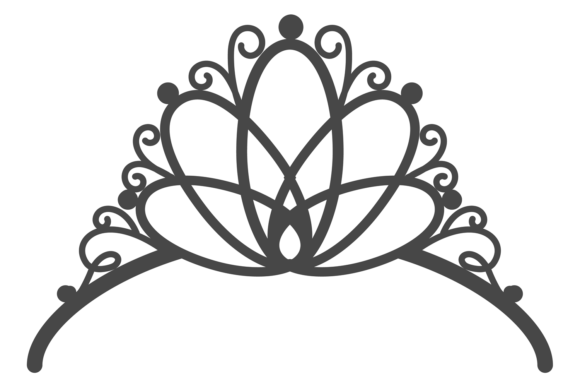
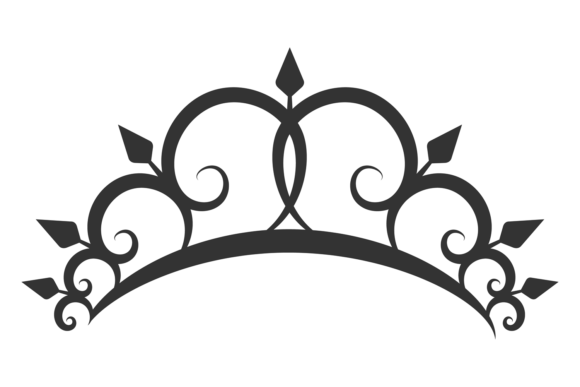
The reason so many people gravitate toward a beautiful vintage black tiara is its versatility. Unlike modern, minimalist icons, vintage crowns carry history, texture, and depth. They suggest heritage, quality, and exclusivity. When you integrate a well-chosen decorative crown element into your work, you are borrowing that perceived value. For entrepreneurs launching a boutique jewelry line, this imagery communicates premium status without needing words. For bloggers and educators, it adds a layer of visual interest that breaks up text and guides the reader's eye.
The availability of these elements in multiple formats is a game-changer. An EPS file allows vector-based scaling, meaning you can stretch the image to the size of a billboard without losing a single detail of those delicate filigree curves. Conversely, a transparent PNG is ready for immediate use in web graphics or social media posts, saving time on background removal. Yet, the ease of access often breeds complacency. Users frequently assume that because an image looks good in a thumbnail, it will perform well in their final composition. This is rarely the case.
Common Pitfalls in Selection and Usage
One of the most frequent mistakes creators make is ignoring the resolution and format requirements of their specific project. You might find a stunning beautiful vintage crown offered only as a low-resolution JPG. While this looks acceptable on a small screen, attempting to print it on high-quality cardstock for invitations will result in pixelation and jagged edges. This error not only ruins the aesthetic but also wastes money on printed materials that look unprofessional. Always verify that the source provides vector formats like SVG or EPS if there is any chance you will need to scale the image beyond its original dimensions.
Another significant oversight involves the isolation of the element. Many users download a "black tiara isolated on white background" assuming the white is transparent. In a JPG file, that white is actually part of the image data. If you place this over a colored or textured background, you end up with an unsightly white box surrounding your crown. This disrupts the flow of the design and makes the element look pasted on rather than integrated. The corrective approach is to strictly seek out transparent PNG files for raster projects or use the clipping mask features in design software when working with EPS files to remove the background cleanly.
Licensing and Ethical Usage
Beyond technical specifications, there is the crucial matter of licensing. The internet is flooded with free resources, but not all "free" downloads are free for commercial use. A common trap for small business owners and freelancers is using a decorative crown element found via a quick image search for a client's logo or a product package. If that image is licensed only for personal use, you expose yourself and your client to legal risks and potential fines. Before integrating any decorative crown element into a revenue-generating project, always read the license agreement. Look for terms like "Commercial Use Allowed" or purchase a dedicated license from a reputable stock agency to ensure peace of mind.
Achieving Stylistic Harmony
Even with the right file format and license, a design can fail if the style clashes. A beautiful vintage black tiara often features ornate, baroque, or Victorian details. Placing such a highly detailed, dark element against a ultra-modern, flat-design interface can create visual dissonance. It feels out of place, like wearing a ballgown to a gym session. To avoid this, consider the context of your design. If your brand identity is sleek and contemporary, a vintage crown might need to be simplified or recolored to match your palette. Alternatively, lean into the vintage theme by pairing the crown with serif typography and textured paper backgrounds to create a cohesive narrative.
Color management is another area where beginners stumble. A black tiara is striking, but pure black (#000000) can sometimes appear too harsh against off-white or cream backgrounds, creating a vibrating effect that strains the eyes. A more sophisticated approach is to adjust the black to a deep charcoal or navy blue, which softens the contrast while maintaining the authoritative presence of the crown. This subtle shift demonstrates a higher level of design maturity and attention to detail.
Practical Steps for Better Results
To ensure you get the most out of your decorative assets, adopt a checklist mentality before you begin designing. First, define your output medium. Will this be digital or print? If print, prioritize vector files (EPS, SVG). If digital, ensure your PNG has a high enough pixel density for retina displays. Second, inspect the artwork closely. Zoom in to 400% to check for stray pixels, broken lines, or awkward cropping that might not be visible at normal size. A beautiful vintage design relies on the integrity of its fine lines; if those are muddy, the illusion of quality is lost.
- Check Transparency: Open your PNG in a viewer that shows the checkerboard pattern to confirm the background is truly transparent.
- Verify Scalability: If using an EPS or SVG, open it in your vector editor and scale it up significantly to ensure paths remain smooth.
- Review Licensing: Document the source and license type of every asset you use, especially for commercial projects.
- Test Contrast: Place the black tiara over your intended background colors early in the process to evaluate readability and aesthetic balance.
Finally, do not be afraid to modify the element to suit your needs. One of the greatest advantages of having an EPS or SVG file is the ability to edit. You can remove specific gems, simplify the arches, or change the color to match your brand guidelines exactly. Treating these stock elements as raw materials rather than finished products allows for greater creativity and ensures your final design feels unique rather than generic.
In conclusion, the decorative crown element, particularly a beautiful vintage black tiara, is a potent tool in a designer's arsenal. It conveys authority, elegance, and tradition. However, its effectiveness depends entirely on how carefully it is selected and applied. By paying attention to file formats, respecting licensing terms, ensuring true transparency, and harmonizing the style with your overall design, you can avoid common pitfalls. Taking these extra steps transforms a simple download into a strategic design decision that enhances your project's professionalism and impact. Whether you are a hobbyist creating a family tree or a marketer launching a new luxury product, these principles will help you wield royal imagery with confidence and grace.