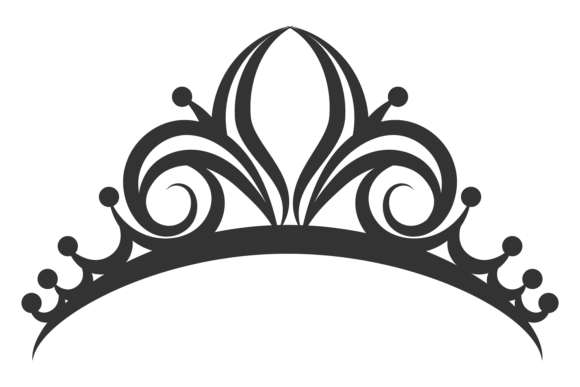
Elevating Wedding Invitations with Decorative Tiara Drawing Design Elements
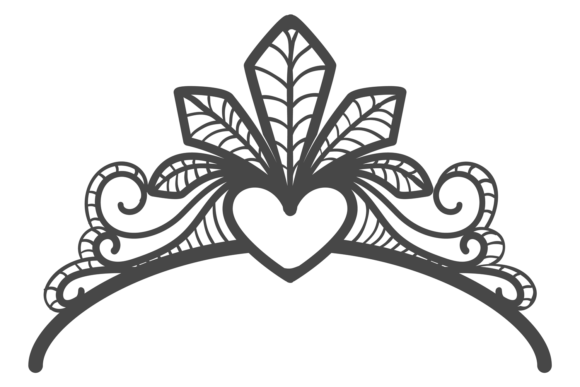
In the realm of wedding stationery design, the difference between a standard invitation and a memorable keepsake often lies in the details. A decorative tiara drawing serves as more than just a pretty illustration; it is a strategic design element that sets the tone for the entire event. When utilized effectively in wedding invitation suites, these regal motifs communicate elegance, tradition, and a touch of fairy-tale romance before the guest even opens the envelope. For designers, planners, and DIY creators, understanding how to integrate high-quality tiara assets—available in formats like EPS, JPG, SVG, and transparent PNG—into a broader workflow is essential for producing professional-grade results.
The process of incorporating a decorative tiara drawing begins long before the final print run. It starts during the conceptual phase, where the visual identity of the wedding is established. Whether you are a freelance graphic designer managing multiple client projects or a small business owner creating your own brand assets, the selection of the right illustration impacts the perceived value of the final product. A well-chosen tiara element acts as a focal point, anchoring the layout and guiding the viewer's eye toward critical information such as the couple's names and the event date.
Integrating Vector and Raster Assets into Your Workflow
One of the most critical decisions in the design process is selecting the appropriate file format for your specific needs. The versatility of a decorative tiara drawing lies in its availability across various digital standards. For professionals working in Adobe Illustrator or CorelDRAW, the EPS (Encapsulated PostScript) and SVG (Scalable Vector Graphics) files are indispensable. These vector formats allow for infinite scalability without loss of quality, ensuring that the intricate lines of the tiara remain crisp whether printed on a small RSVP card or a large welcome sign at the venue.
Conversely, for web-based invitations, social media announcements, or quick mockups, JPG and transparent PNG files offer immediate usability. A transparent PNG is particularly valuable in layered design workflows, allowing the tiara to sit seamlessly over textured backgrounds, watercolor washes, or colored paper stocks without unsightly white boxes around the edges. By organizing these assets early in the project folder structure, creators can streamline the production process, switching between high-resolution vectors for print and optimized raster images for digital distribution with ease.
Compatibility with existing design tools is another factor to consider. Modern design software handles these formats efficiently, but the workflow changes slightly depending on the end goal. If the wedding invitation design element is intended for letterpress or foil stamping, the vector path must be clean and closed to ensure the printing plate interprets the lines correctly. In this stage, the designer might need to simplify complex gradients found in JPG versions, relying instead on the solid paths provided in the EPS file to maintain clarity in the physical impression.
Strategic Placement and Visual Hierarchy
Once the technical assets are prepared, the creative challenge shifts to composition. A decorative tiara drawing should never overpower the textual content of the invitation. Instead, it should enhance the visual hierarchy. A common and effective approach is placing the tiara at the very top of the invite, centered above the names of the couple. This placement mimics the traditional structure of royal decrees and formal announcements, instantly establishing a sense of occasion.
Alternatively, the tiara can be used as a subtle watermark or a corner accent to frame the text. This method works well for minimalist designs where whitespace is a key component. By reducing the opacity of a black-and-white line drawing or using a metallic gold overlay, the element adds texture without clutter. For multi-piece invitation suites, consistency is paramount. Using the same tiara motif across the main invite, the details card, the menu, and the place cards creates a cohesive brand identity for the wedding. This repetition reinforces the theme and provides a professional, polished look that guests appreciate.
When working with wedding invitation design elements isolated on a white background, designers have the flexibility to recolor the asset to match any palette. A silver tiara might suit a winter wedding, while a rose gold version fits an autumn celebration. This adaptability allows the same base asset to be reused across different projects, maximizing the return on investment for stock purchases or library subscriptions. The ability to manipulate the color profile quickly in software like Photoshop or Illustrator means that the core design element remains constant while the aesthetic mood shifts to fit the specific client's vision.
Enhancing Efficiency in Production and Printing
From a production standpoint, the quality of the source file directly influences the efficiency of the printing process. High-quality EPS and SVG files reduce the need for manual tracing or cleanup, saving hours of labor. For printers, clean vector lines ensure that die-cutting machines can accurately follow the contours if the invitation shape itself is being customized. If the tiara is part of a foil stamping application, the separation of layers in the digital file allows the printer to create precise plates, minimizing registration errors and material waste.
For those utilizing digital printing services or home printers, the resolution of JPG files becomes the limiting factor. It is crucial to verify that the raster images are set to at least 300 DPI (dots per inch) to prevent pixelation. A blurry tiara drawing can detract significantly from the perceived luxury of the invitation. Therefore, checking the technical specifications of the asset before importing it into the layout software is a non-negotiable step in the quality control process. This proactive check prevents costly reprints and ensures that the final output matches the digital proof.
Organization plays a vital role in maintaining this efficiency. Keeping a dedicated library of verified, high-resolution decorative tiara drawings allows for rapid prototyping. When a new client requests a "royal" or "elegant" theme, the designer can immediately pull from this curated collection rather than searching for new assets under tight deadlines. This systematic approach not only speeds up the initial draft phase but also ensures a consistent level of quality across all outgoing work.
Adapting the Motif for Broader Branding and Marketing
The utility of a decorative tiara drawing extends beyond the physical invitation. In today's digital-first wedding planning environment, these assets are frequently repurposed for websites, email save-the-dates, and social media graphics. A scalable SVG file is ideal for responsive web design, ensuring the icon looks sharp on both mobile devices and desktop screens. Marketers and bloggers can use these elements to create themed content, such as "Royal Wedding Inspiration" boards or tutorials on DIY stationery, driving engagement through visually appealing and relevant imagery.
Furthermore, small business owners in the bridal industry can leverage these designs for packaging and branding. A tiara stamp on a tissue paper wrap or a sticker on the shipping box adds a premium unboxing experience for the customer. This attention to detail fosters brand loyalty and encourages social sharing, as customers are more likely to photograph and post beautifully packaged goods. The seamless integration of the tiara motif from the invitation to the packaging creates a holistic brand narrative that resonates with the target audience.
Ultimately, the successful implementation of a decorative tiara drawing in wedding invitation design relies on a balance of artistic intuition and technical precision. By understanding the strengths of different file formats, respecting visual hierarchy, and optimizing the production workflow, creators can deliver exceptional results. Whether the goal is to craft a one-of-a-kind heirloom for a special day or to build a scalable product line for a stationery business, these versatile design elements provide the foundation for elegance and sophistication. With the right preparation and execution, the tiara becomes more than an image; it becomes a symbol of the care and craftsmanship invested in the celebration.