Elevating Designs with the Decorative Heart Element: A Vintage Prince Aesthetic
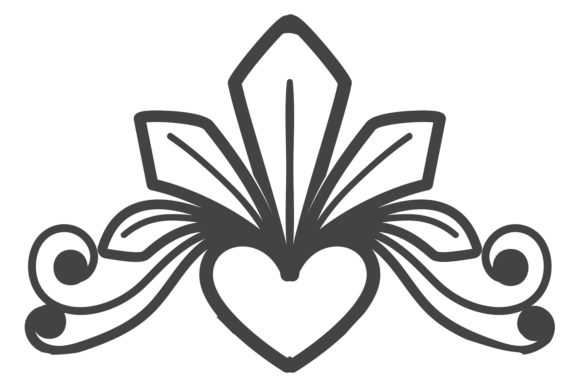
There is a specific kind of charm that only vintage design elements can bring to a modern project. When you incorporate a Decorative Heart Element styled after a vintage prince or regal motif, you aren't just adding a shape; you are injecting a narrative of romance, history, and elegance. These assets, often found as calligraphic ornaments isolated on white backgrounds, serve as powerful tools for designers, crafters, and business owners looking to distinguish their brand or personal projects from the sea of minimalist, flat-design trends.
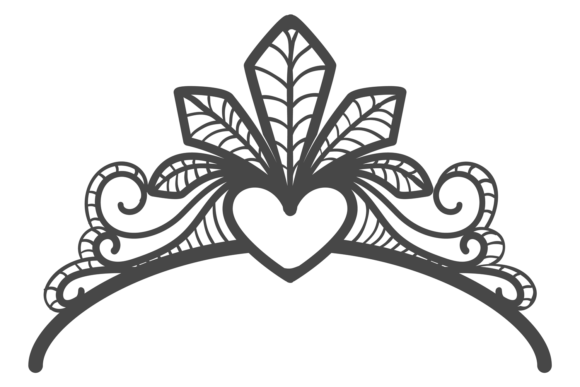
The appeal of the "Vintage Prince" heart lies in its complexity. Unlike a standard geometric heart, these elements feature intricate swirls, flourishes, and calligraphic details that mimic hand-drawn ink work from centuries past. Whether you are accessing these designs via EPS, JPG, SVG, or transparent PNG formats, the utility remains the same: they provide an instant focal point that suggests quality and tradition.
Real-World Applications for Wedding and Event Industries
The most immediate and impactful use case for these decorative hearts is within the wedding and event planning sector. Couples today are increasingly moving away from sterile, cookie-cutter invitations and embracing themes that feel personalized and timeless. A Vintage Prince heart ornament acts as the perfect centerpiece for save-the-date cards, menu covers, and ceremony programs.
Imagine a wedding invitation suite where the outer envelope features a subtle, monochromatic version of the heart, while the inner card displays the full, detailed calligraphic ornament in gold foil. This creates a tactile experience for the guest before they even read the text. For event planners, these elements are invaluable for creating cohesive branding across various touchpoints, from signage at the venue to the design of the wedding favors. The versatility of file formats like SVG allows for scalability without losing resolution, meaning the same heart can look crisp on a massive welcome banner and a tiny thank-you tag.
Beyond weddings, these elements shine in anniversary celebrations, vow renewals, and even upscale corporate galas that aim for a "black-tie" or "royal" atmosphere. The psychological impact of using regal imagery helps set a tone of exclusivity and celebration, making guests feel they are part of something significant.
Branding and Packaging for Artisan Products
In the world of small business and artisan goods, packaging is everything. Consumers often judge the quality of a product by its exterior presentation. A bakery specializing in macarons, a boutique selling handmade soaps, or a jeweler crafting custom engagement rings can all benefit from the Decorative Heart Element.
Consider a chocolatier who wants to convey that their products are made with old-world recipes and premium ingredients. Placing a vintage-style heart on the box lid immediately communicates "luxury" and "care." It suggests that the contents are a labor of love, much like the intricate lines of the ornament itself. For jewelry brands, this aesthetic aligns perfectly with heirloom pieces or vintage-inspired collections.
The availability of transparent PNGs is particularly crucial here. It allows business owners to overlay the heart directly onto textured paper, colored boxes, or fabric bags without worrying about unsightly white squares around the image. This seamless integration makes the design look professional and bespoke, rather than like a clip-art afterthought.
Digital Content and Social Media Strategy
We often think of vintage elements as strictly print-based, but they have a robust role in digital marketing. In an era where social media feeds are dominated by quick, ephemeral content, a post featuring a detailed, classical illustration stops the scroll. It offers visual relief and intrigue.
Content creators in the lifestyle, fashion, and romance niches can use these hearts to frame quotes, highlight testimonials, or create distinct section breaks in blog posts. For example, a relationship coach might use the "Vintage Prince" heart to bracket a section on "Timeless Relationship Advice," visually reinforcing the message that some truths never change.
Furthermore, these elements are excellent for creating digital products. Sellers on platforms like Etsy or Creative Market often bundle these ornaments into kits for other designers to use in their own projects. By offering the files in multiple formats (EPS for vector editing, JPG for quick previews, SVG for cutting machines), creators maximize their audience reach. A user with a Cricut machine needs the SVG to cut vinyl stickers, while a graphic designer needs the EPS to manipulate the curves in Illustrator. Catering to these different technical needs expands the potential market for the asset significantly.
Choosing the Right Format for Your Project
Before diving into your design, it is essential to understand which file format serves your specific purpose best. Not all images are created equal, and choosing the wrong one can lead to frustration later in the workflow.
- EPS (Encapsulated PostScript): This is the gold standard for professional printing. If you are sending your design to a commercial printer for business cards or large banners, always use the EPS file. It ensures that the lines remain sharp regardless of how much you scale the image up or down.
- SVG (Scalable Vector Graphics): Ideal for web design and die-cutting machines. SVGs are lightweight for websites, ensuring fast load times, and they are the native language of electronic cutting plotters used by crafters.
- Transparent PNG: The go-to for digital compositions where you need to layer the heart over photos or colored backgrounds. Ensure the PNG is high-resolution (300 DPI) if you plan to print it yourself at home.
- JPG: Best for quick previews or situations where file size is a major constraint and transparency isn't needed, such as embedding an image in a document where the background matches the page color.
Design Considerations and Limitations
While the Vintage Prince heart is a stunning element, it requires a thoughtful approach to integration. The primary consideration is contrast and clutter. Because these ornaments are often highly detailed with fine calligraphic lines, they can get lost if placed against a busy background or if printed too small.
If you are using the element on a dark background, ensure you have a version with light-colored lines or be prepared to recolor the vector file. Printing fine details on textured, rough paper can also cause the ink to bleed, blurring the delicate flourishes. In such cases, it is often better to use the heart as a debossed or embossed feature rather than an inked one.
Additionally, context matters. While this aesthetic screams "romance" and "tradition," it might feel out of place for a tech startup launching a futuristic app or a sports brand promoting high-energy gear. The strength of the vintage heart is its ability to evoke emotion and nostalgia; if your brand message is about speed, disruption, or minimalism, this element might send mixed signals. However, for industries rooted in care, beauty, heritage, and connection, it is nearly unmatched in its ability to resonate with an audience.
Ultimately, the Decorative Heart Element in a vintage prince style is more than just a graphic; it is a bridge between the past and present. By understanding its nuances and applying it strategically across print, packaging, and digital media, you can create designs that feel both classic and refreshingly relevant. Whether you are a seasoned designer or a DIY enthusiast, leveraging these calligraphic ornaments allows you to tell a story of elegance that words alone cannot convey.