Mastering Design Elegance with Decorative Swirl Line Elements
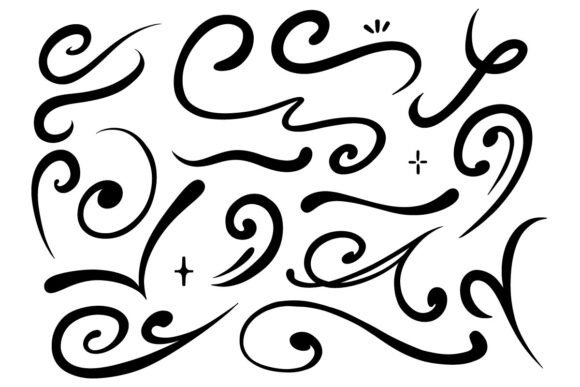
Every designer knows that the difference between a good layout and a great one often lies in the details. It is those subtle touches—the curve of a border, the flourish under a heading, or the delicate accent framing a photo—that breathe life into a project. This is exactly where Decorative Swirl Line Elements shine. This enchanting compilation brings together 18 distinct pieces of swirl line artistry, offering a blend of artful spirals, elaborate flourishes, and fluid accents designed to elevate your visual storytelling. Whether you are crafting wedding invitations, designing a brand logo, or laying out a blog post, these elements provide a unique aesthetic flair that generic clip art simply cannot match.
However, incorporating ornamental graphics into your workflow is not always as straightforward as dragging and dropping. Many creators, from seasoned professionals to enthusiastic hobbyists, often stumble over common pitfalls when selecting and applying these types of assets. By understanding these nuances early, you can save time, maintain high-quality standards, and ensure your final output looks polished rather than cluttered.
Avoiding the Resolution Trap
One of the most frequent mistakes designers make involves file format selection. When you download a pack like Decorative Swirl Line Elements, you are typically provided with a ZIP file containing multiple formats: EPS, JPG, PNG, and SVG. A common error is reaching immediately for the JPG or PNG files for every single application. While these raster formats are convenient for quick web previews, they have fixed resolutions.
If you scale a JPG swirl up to fit a large banner or a printed poster, you risk introducing pixelation and jagged edges. This degradation in quality can make an otherwise elegant design look amateurish. The better approach is to prioritize vector formats like EPS or SVG for any project that requires scaling. Vector files use mathematical paths rather than pixels, meaning your swirls will remain crisp and smooth whether they are the size of a business card or a billboard. Reserve the JPG and PNG files specifically for web use where file size is a concern and the dimensions are already set.
The Danger of Visual Clutter
Another area where creators often miss the mark is over-decoration. Because swirls are inherently eye-catching, there is a temptation to use them everywhere. You might find yourself framing every image, underlining every header, and filling every empty corner with a flourish. This "more is more" mentality usually backfires, resulting in a chaotic composition that distracts from your core message rather than enhancing it.
To avoid this, treat decorative elements like salt in a recipe; a little enhances the flavor, but too much ruins the dish. Use the fluid accents from the collection strategically to guide the viewer's eye toward key information, such as a call-to-action button or a special offer. For instance, if you are designing a menu for a café, use a single elaborate flourish to separate sections or highlight the chef's special, rather than boxing in every item. This restraint creates a sense of elegance and allows the typography and content to breathe.
Mismatched Aesthetics and Brand Voice
Not all swirls are created equal, and not all swirls fit every brand. A significant oversight occurs when designers choose ornamental elements that clash with their established brand identity. The Decorative Swirl Line Elements collection offers a range of styles, from whimsical and playful to sophisticated and traditional. Using a heavy, baroque-style spiral for a modern, minimalist tech startup can send mixed signals to your audience, confusing them about your brand's personality.
Before integrating these components, take a moment to evaluate your brand voice. If your style is clean and contemporary, select the thinner, simpler lines from the pack. If you are working on a vintage-themed project or a romantic invitation, the more elaborate flourishes will be perfect. Always ask yourself if the element supports the mood you are trying to convey. If it feels like it is fighting against the rest of the design, it probably is. In such cases, less intricate options or even removing the element entirely is the superior choice.
Technical Compatibility and Workflow Efficiency
Efficiency is crucial for freelancers and small business owners who manage tight deadlines. A common frustration arises when users download assets without checking software compatibility. While SVG and EPS are industry standards, not all design tools handle them with the same ease. Some basic photo editors may struggle to open EPS files, forcing users to convert them through third-party sites, which can sometimes alter the path data or colors.
To streamline your creative journey, verify that your design software fully supports the vector formats included in the ZIP file before you begin a major project. Most professional tools like Adobe Illustrator, CorelDRAW, and even modern web design platforms handle SVGs natively. If you are using a more limited tool, consider converting the vectors to high-resolution PNGs at the exact size you need before importing them. This pre-emptive step prevents workflow bottlenecks and ensures you aren't scrambling to fix technical issues when a deadline is looming.
Checklist Before You Begin
To ensure you get the most out of this art pack, run through this quick mental checklist before finalizing your designs:
- Scale Requirements: Will this element need to be resized later? If yes, stick to SVG or EPS.
- Visual Balance: Does the swirl compete with the text, or does it frame it effectively?
- Style Consistency: Does the thickness and style of the line match the fonts and other graphics used?
- Color Adaptability: Remember that vector swirls can often be recolored instantly to match your brand palette, whereas JPGs require more editing work.
Ultimately, the goal of using Decorative Swirl Line Elements is to add a touch of whimsy, elegance, and visual interest without compromising professionalism. By avoiding the traps of low-resolution usage, over-decoration, and style mismatches, you transform these ornamental components from simple graphics into powerful design tools. Dive into the world of decorative line art with intention, and watch how these 18 curated pieces can inspire your next masterpiece.