Bringing Personality to Design with Abstract Hand Drawn Decorative Shapes
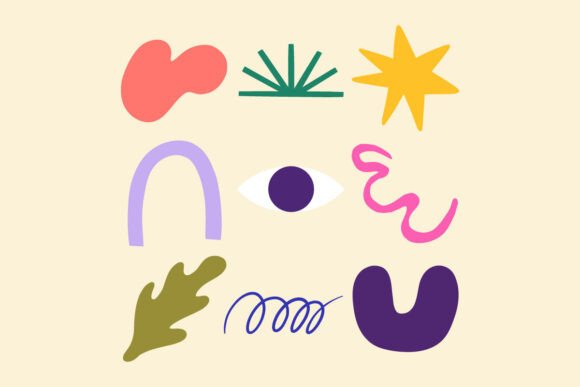
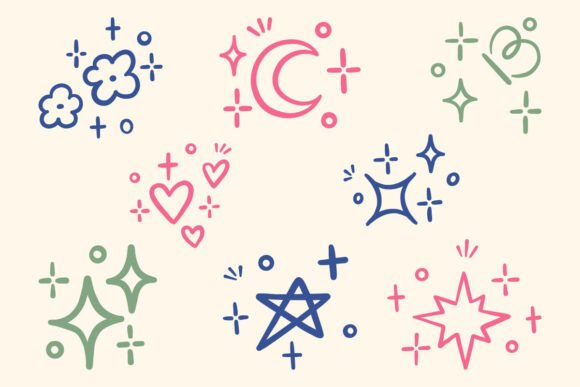
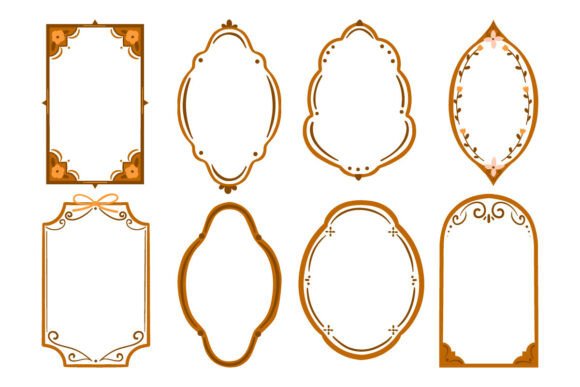
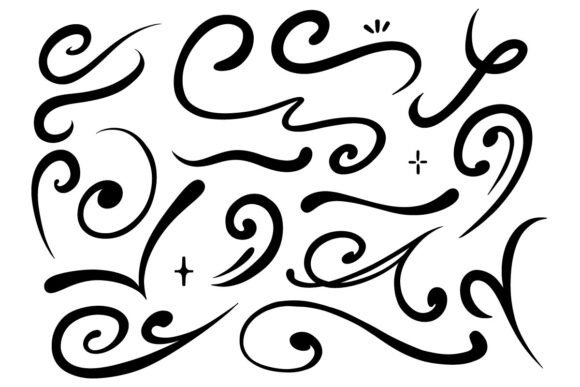
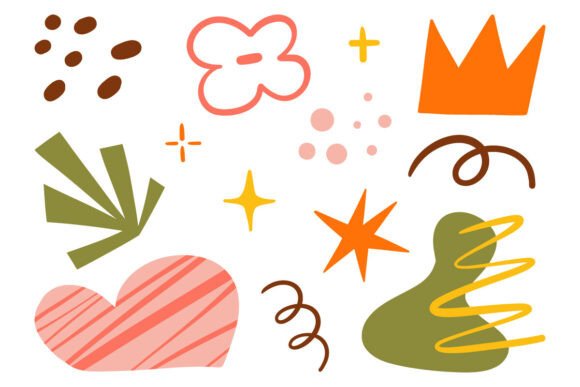
In a digital landscape often dominated by sleek, pixel-perfect vectors and rigid geometric grids, there is a growing hunger for something that feels undeniably human. We crave the slight wobble of a pen stroke, the organic flow of an ink line, and the imperfect charm that only comes from a hand-guided tool. This is exactly where Abstract Hand Drawn Decorative Shapes step in to transform flat layouts into living, breathing compositions. This isn't just a collection of clip art; it is an effervescent toolkit of 13 handcrafted elements designed to inject soul into your projects. Whether you are a seasoned graphic designer, a small business owner managing your own social media, or an educator trying to make lesson plans more engaging, these irregular rhythms of dots, lines, and symbols offer a shortcut to authenticity.
The core appeal of this collection lies in its versatility and the specific "vibe" it carries. When you download the conveniently organized ZIP file, you aren't just getting images; you are getting a bridge between traditional artistry and modern digital workflow. With formats like EPS, JPG, PNG, and SVG included, the barrier to entry is incredibly low. You don't need to be an illustrator to use them. A marketer can drag and drop a PNG into a Canva template for an Instagram story, while a web developer can embed an SVG to add subtle texture to a landing page without bloating the load time. The ease of access ensures that the focus remains on creativity rather than technical troubleshooting.
Real-World Applications for Creators and Entrepreneurs
So, where do these shapes actually fit into your daily workflow? The answer is almost everywhere you need to capture attention or soften a corporate edge. Let's look at some realistic scenarios where these abstract elements shine.
For social media managers and content creators, the pressure to produce fresh, eye-catching visuals every day is immense. Standard stock photos often feel sterile and overused. By incorporating hand-drawn arrows, scribbles, or organic blobs from this collection, you can highlight key text in a carousel post or frame a product shot with something that feels curated rather than generated. Imagine a lifestyle blogger sharing a "day in the life" reel. Adding a hand-drawn circle around a coffee cup or a whimsical line connecting two thoughts creates a sense of intimacy, as if the creator personally annotated the image for their friends. It breaks the fourth wall of the screen.
Small business owners and entrepreneurs often struggle to differentiate their brand identity in crowded markets. If your logo and website rely heavily on standard fonts and straight lines, you might blend in. Using these decorative shapes in your packaging design, email newsletters, or invoice headers can signal that your business values craftsmanship and personal touch. For instance, an artisanal soap maker could use the irregular dot patterns as a background texture for their product labels, reinforcing the "handmade" narrative of the product itself. It aligns the visual language with the brand story.
Educational and Professional Use Cases
Beyond marketing, these tools are invaluable for educators and trainers. In remote learning environments or digital presentations, keeping an audience engaged is a constant challenge. Slides filled with bullet points and clip art can induce sleep. Swapping those out for hand-drawn connectors, thought bubbles, or emphasis marks can make complex information feel more approachable and less intimidating. A teacher creating a worksheet on creative writing might use the symbolic elements to denote different sections, making the page feel like a interactive journal rather than a test.
Similarly, freelancers and consultants who send proposals or reports can benefit from this aesthetic. A proposal that includes subtle hand-drawn underlines or section dividers suggests that extra care was taken in its preparation. It moves the document from a generic template to a bespoke deliverable. This psychological cue can subtly influence how a client perceives the value of your work before they even read the first paragraph.
Why the Format Matters: EPS, SVG, PNG, and JPG
The utility of Abstract Hand Drawn Decorative Shapes is heavily dependent on the file formats provided, and this collection covers all the bases for modern workflows. Understanding which format to use is key to maximizing their potential.
- SVG (Scalable Vector Graphics): This is the gold standard for web designers and app developers. Because SVGs are code-based, they remain crisp at any size, from a tiny favicon to a massive billboard display. They also allow for color changes via CSS, meaning you can match the shape to your brand's hex code instantly without opening Photoshop.
- EPS (Encapsulated PostScript): Ideal for print professionals. If you are designing a physical brochure, a large format banner, or merchandise like t-shirts, EPS files ensure that the hand-drawn lines retain their vector quality when sent to a professional printer. There is no pixelation, ensuring the "handmade" look stays sharp.
- PNG (Portable Network Graphics): The workhorse for digital marketers. With transparent backgrounds, these are ready to drop into social media graphics, PowerPoint slides, or website banners immediately. No masking or background removal required.
- JPG (Joint Photographic Experts Group): Useful for quick previews or situations where file size is a critical constraint and transparency isn't needed, such as embedded images in certain email clients that struggle with PNGs.
Considerations Before You Integrate
While the benefits are clear, successful integration requires a bit of strategic thinking. The biggest pitfall users face is overuse. Because these shapes are fun and expressive, it is tempting to sprinkle them everywhere. However, the power of a hand-drawn element lies in its contrast against clean, structured design. If everything is scribbled and irregular, nothing stands out, and the design can quickly look messy or unprofessional.
When choosing how to apply these shapes, consider your brand voice. Are you a high-end luxury law firm? Probably not. But if you are a creative agency, a wellness coach, a craft store, or a tech startup trying to appear friendly and accessible, these elements are perfect. You must ask yourself: does this addition clarify the message or distract from it? Use the shapes to guide the eye—like an arrow pointing to a call-to-action button—or to group related information, like a circle enclosing a testimonial.
Another practical consideration is color harmony. While the black-and-white nature of many hand-drawn assets offers flexibility, you should experiment with recoloring them to match your palette. The SVG and EPS formats make this easy. A navy blue squiggle might fit a corporate report better than a stark black one. Conversely, keeping them in high-contrast black can create a striking, editorial look against pastel backgrounds.
The Emotional Connection of Imperfection
Ultimately, the reason Abstract Hand Drawn Decorative Shapes resonate so deeply is psychological. In an era of AI-generated perfection, imperfection signals humanity. It tells the viewer that a person made this, cared about it, and put energy into it. For the everyday user, the hobbyist, or the publisher, leveraging this collection is about more than just decoration; it is about connection. It transforms a static image into a conversation starter.
Whether you are building a portfolio, sprucing up a classroom handout, or launching a new product line, these 13 elements provide the raw material for standout design accents. They allow you to break the grid without breaking the bank or needing advanced illustration skills. By downloading the ZIP file and exploring the variety of lines, dots, and symbols within, you gain immediate access to a library of creativity that can elevate your work from standard to memorable. The next time you feel your design lacks warmth, reach for these hand-crafted touches and watch how they change the entire rhythm of your composition.