Mastering Decorative Laser Cut Art Templates for Professional Results
The allure of intricate patterns transforming raw materials into stunning visual statements is undeniable. Whether you are a seasoned architect designing a building facade or a hobbyist creating personalized wedding favors, Decorative Laser Cut Art Templates serve as the foundational blueprint for success. These digital assets bridge the gap between imagination and physical reality, allowing creators to produce complex geometries that would be nearly impossible to draft by hand. However, the journey from downloading a file to holding a finished product is often fraught with avoidable pitfalls. Many enthusiasts and business owners rush into production without fully understanding the technical nuances of their files, leading to wasted material, frustrated clients, and compromised structural integrity.
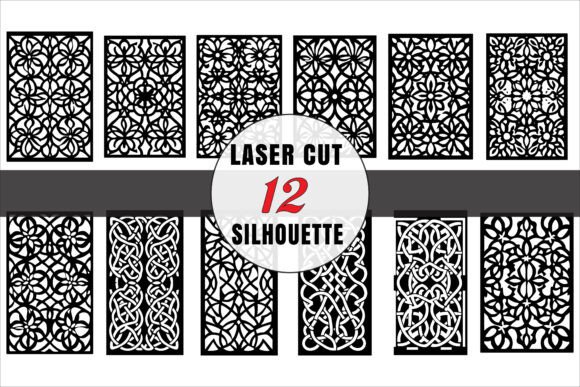
Understanding what these templates truly represent is the first step toward mastery. At their core, they are vector-based or high-resolution raster designs optimized for precision cutting machines. The value lies not just in the aesthetic beauty of the pattern, but in the engineering behind it. A well-constructed template accounts for material thickness, kerf (the width of the laser cut), and structural load-bearing capabilities. When people search for these resources, they are often looking for a shortcut to professionalism. While high-quality bundles containing PNG, EPS, and JPG formats provide an excellent starting point, treating them as "plug-and-play" solutions without verification is a common error that can derail a project.
The Trap of Ignoring File Formats and Resolution
One of the most frequent misunderstandings involves the specific use cases for different file types included in a bundle. A comprehensive package might offer 12 PNG files, 12 EPS files, and bundled JPGs, each serving a distinct purpose. Beginners often make the mistake of using raster images like PNGs or JPGs for actual machine cutting. While a 4500×5400 PX image looks crisp on a screen, scaling it up for a large wall panel can result in pixelation and jagged edges when the laser interpreter tries to follow the path. Raster files are excellent for visualization, marketing materials, or engraving references, but they lack the mathematical precision required for clean cuts.
To avoid this, always prioritize vector formats like EPS for the cutting process itself. Vector files define shapes through points and lines, meaning they can be scaled infinitely without losing quality. Before sending a design to your laser cutter, open the EPS file in your preferred design software to ensure all paths are closed and nodes are simplified. If you rely solely on the PNG previews for your cutting instructions, you risk producing rough edges that require excessive sanding or, worse, render the piece unusable. Verify that the bundle you purchase provides editable vector sources; this flexibility allows you to adjust dimensions to fit specific material sheets, reducing waste and cost.
Overlooking Material Constraints and Scale
Another critical area where projects often fail is the disconnect between the digital design and the physical material. A delicate, lace-like pattern found in a decorative template might look breathtaking on a monitor, but it could be structurally unsound when cut into thin acrylic or fragile wood. Creators sometimes overlook the "bridge" points—the small connections that hold the inner details of a design together. If these bridges are too thin relative to the material being used, the design may fall apart during the cutting process or shortly after installation.
Consider the application before finalizing your cut settings. For instance, if you are creating room dividers or ceiling panels, the design must support its own weight over a large span. A pattern suitable for a small jewelry pendant will likely collapse if scaled up to a six-foot screen without reinforcing the connecting joints. Conversely, using a heavy, dense pattern for a lampshade might block too much light, defeating the purpose of the fixture. Always test a small section of the design on a scrap piece of your intended material. This simple step reveals whether the intricate details hold up or if the material burns excessively, allowing you to adjust power and speed settings or modify the design before committing to the full sheet.
Misjudging the Scope of Application
The versatility of laser cut designs is vast, ranging from fashion accessories to architectural facades. However, applying a one-size-fits-all approach to these diverse fields is a recipe for disappointment. A design optimized for scrapbooking and card-making typically assumes a paper or cardstock medium, which behaves very differently than metal or hardwood used in signage or furniture accents. Using a delicate paper pattern for a heavy-duty outdoor sign without adjusting the line weights can lead to rapid deterioration when exposed to the elements.
Furthermore, context matters immensely in interior design and event décor. When selecting templates for wedding backdrops or table centerpieces, consider the viewing distance. Highly detailed micro-patterns get lost when viewed from ten feet away, appearing as a solid mass rather than an intricate texture. In such cases, bold, larger geometric forms often communicate better than fine filigree. On the other hand, for packaging or personalized keepsakes that customers hold in their hands, fine detail adds a premium feel. Evaluate the end-user experience: will they admire it from afar or interact with it up close? Tailor your template selection to match this perspective.
Best Practices for Selection and Implementation
To ensure your projects elevate aesthetics rather than compromise them, adopt a disciplined approach to selecting and using Decorative Laser Cut Art Templates. First, scrutinize the license and usage rights. If you are buying these products to grow your business, ensure the bundle allows for commercial use so you can confidently sell items like customized flooring patterns or ventilation panels without legal concerns. Second, organize your digital assets effectively. With bundles containing multiple file types, maintaining a clear folder structure prevents confusion between draft versions and final cut files.
When integrating these designs into your workflow, think about modularity. Many architectural applications, such as window screens or stair railings, require repeating patterns. Check if the template tiles seamlessly. If it does not, you may need to spend extra time editing the vector file to create a continuous flow, which can be time-consuming if you are not prepared. Additionally, for lighting applications like lanterns or light fixtures, remember that the cut pattern affects heat dissipation. Ensure there is adequate open space in the design to allow air circulation, preventing overheating of the bulb or fixture.
Ultimately, the goal is to blend artistic vision with technical practicality. By respecting the limitations of your materials, choosing the correct file formats, and considering the final environment of your creation, you transform a simple digital download into a high-value product. Whether you are enhancing a home with wall panels or launching a line of fashion embellishments, the right preparation turns potential mistakes into opportunities for innovation. Take the time to learn the specifics of your tools and materials; the difference between a good result and a great one often lies in those crucial pre-production checks.