Elevate Your Brand with Graphic Decorative Design
In a digital landscape saturated with generic templates and cookie-cutter visuals, standing out requires more than just good content; it demands a distinct visual identity. This is where Graphic Decorative Design becomes an indispensable asset for creators, entrepreneurs, and marketers alike. Whether you are launching a new product line, refreshing a brand's aesthetic, or simply looking to add flair to your social media posts, the right decorative elements can transform a mundane layout into a captivating experience. It is not merely about making things look "pretty"; it is about strategic visual communication that guides the eye, evokes emotion, and reinforces your message without saying a word.
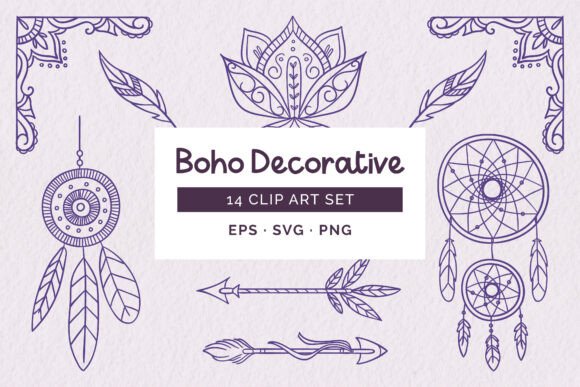
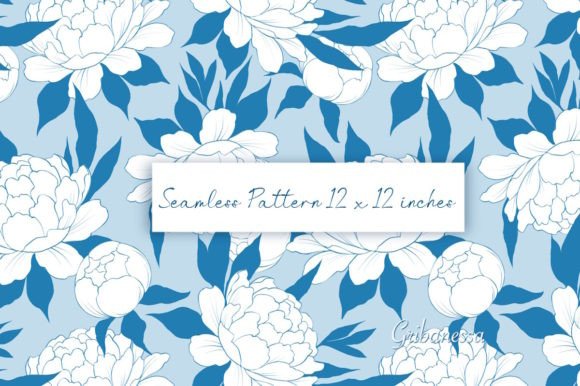
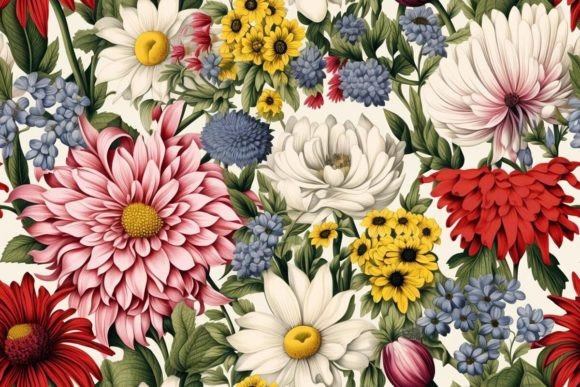
At its core, Graphic Decorative Design encompasses the ornamental aspects of visual creation. These are the flourishes, patterns, borders, icons, and textural elements that frame and enhance your primary content. Unlike functional UI elements that dictate how a user interacts with a button, decorative design dictates how a user feels about the interface or the printed page. When you integrate high-quality decorative assets, such as the single JPG file included in this package, you are injecting a dose of personality into your project. While titles on stock assets might be randomly generated or misleading, the true value lies in the image itself. By focusing on the visual potential of the file rather than the metadata, you unlock a versatile tool capable of adapting to countless scenarios.
The Strategic Value of Ornamental Elements
Why should a busy professional or a small business owner care about decorative graphics? The answer lies in perception and retention. Human brains are wired to process visuals significantly faster than text. When a viewer encounters a well-designed piece featuring thoughtful decorative elements, their engagement time increases. These elements act as visual anchors, breaking up dense blocks of text and guiding the reader through the narrative flow. For educators and publishers, this means higher comprehension rates. For marketers, it translates to better conversion rates.
Consider the strength of brand consistency. If your competitor uses plain, unadorned graphics while you utilize a cohesive set of decorative motifs, your brand instantly appears more established and trustworthy. Decorative design serves as a subtle yet powerful branding tool. It allows you to establish a visual language that customers associate specifically with you. Whether it is a vintage flourish on a coffee shop menu or a sleek, geometric pattern on a tech startup's landing page, these details signal attention to detail and quality.
Versatile Applications Across Industries
The utility of a high-resolution decorative graphic extends far beyond a single use case. Because the file provided is a JPG, it offers universal compatibility across almost every software platform, from Adobe Photoshop and Illustrator to Canva, Microsoft Word, and even mobile editing apps. Here is how different professionals can leverage this asset:
- Social Media Managers: Use the graphic as a background overlay for Instagram stories or as a framing element for Facebook posts to increase click-through rates.
- E-commerce Entrepreneurs: Incorporate the design into product packaging labels or website banners to create a premium unboxing experience.
- Educators and Bloggers: Break up long-form articles with decorative dividers to improve readability and keep the audience scrolling.
- Event Planners: Adapt the image for digital invitations, seating charts, or signage to set the tone for weddings, corporate galas, or workshops.
- Freelance Designers: Use the element as a building block in larger composite designs, saving hours of creation time while maintaining high quality.
The beauty of working with a standalone image file is the freedom it affords. You are not locked into a specific template structure. Instead, you can scale, crop, rotate, and blend the graphic to suit your specific needs. If the original title of the file seems irrelevant to your project, ignore it. The visual data is what matters. A pattern labeled "Abstract 04" could perfectly serve as a textured background for a bakery logo if the colors and shapes align with your brand palette.
Maximizing Usability and Aesthetic Appeal
When implementing Graphic Decorative Design, the goal is always enhancement, not distraction. A common pitfall for beginners is overusing decorative elements, which can clutter the design and obscure the main message. The most effective approach is restraint. Use the graphic to highlight key information or to create white space that allows the content to breathe. For instance, placing a subtle decorative border around a testimonial quote draws attention to the social proof without overpowering the text itself.
Furthermore, these designs play a crucial role in emotional branding. Different styles evoke different feelings. Organic, hand-drawn flourishes might suggest warmth, craftsmanship, and approachability, making them ideal for artisanal goods or wellness brands. Conversely, sharp, symmetrical geometric patterns often convey modernity, precision, and efficiency, suiting financial or technology sectors. By selecting the right decorative style, you align your visual output with your brand's core values, creating a deeper connection with your target audience.
Practical Considerations for Implementation
Before diving into your next project, there are a few practical factors to consider to ensure the best results. First, evaluate the resolution. Since the provided file is a JPG, check its dimensions against your intended output. For digital use, standard screen resolutions are usually sufficient, but for large-format printing like banners or posters, you may need to ensure the image is scaled appropriately to avoid pixelation. Most modern JPGs provided in premium packs are high-resolution, but it is always wise to verify before committing to a print run.
Secondly, think about color harmony. Even if the graphic is stunning on its own, it must work within your existing color scheme. You may need to use blending modes in your editing software to tint the graphic or adjust its opacity so it complements rather than clashes with your background. Don't be afraid to experiment with saturation and contrast to make the element feel like it was custom-made for your specific layout.
Finally, remember the importance of community feedback in the creative ecosystem. If you find value in these resources, leaving a review helps creators continue producing high-quality assets. It also fosters a supportive environment where designers and users can exchange ideas. If you have specific needs—perhaps you require a vector version or a different colorway—reaching out via comments can often lead to custom solutions or future updates that benefit everyone.
In conclusion, Graphic Decorative Design is more than just an afterthought; it is a fundamental component of effective visual storytelling. By integrating these elements thoughtfully, you elevate the perceived value of your work, improve user engagement, and carve out a unique space in a crowded market. Whether you are a seasoned agency owner or a hobbyist starting your first blog, the right decorative touch can make all the difference. Embrace the versatility of these assets, experiment with their application, and watch as your visual communications become more compelling and memorable.
Ready to transform your next project? Download the file, inspect the visual details beyond the random title, and start creating. And if this resource helped streamline your workflow, please consider leaving a ⭐⭐⭐⭐⭐ review. Your support drives the creation of more tools like this, ensuring a steady stream of inspiration for the entire creative community.