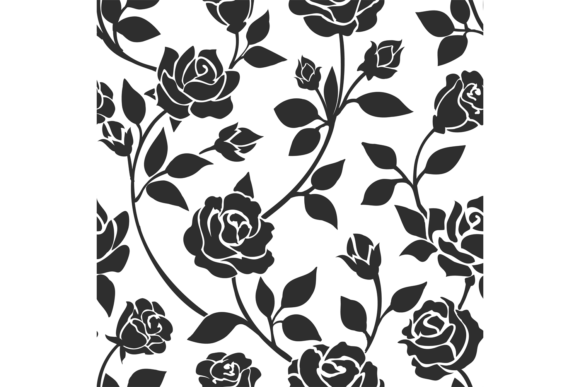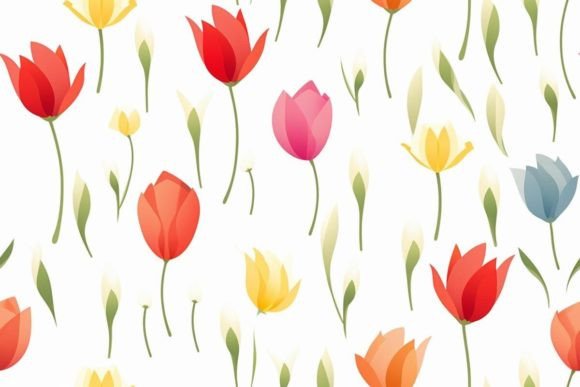
Floral Wallpaper Decorative Design: A Creative Guide
There is a distinct shift happening in how we approach digital and physical spaces. The sterile, minimalist aesthetic that dominated the last decade is giving way to something more organic, textured, and alive. At the heart of this movement is Floral Wallpaper Decorative Design. This isn't just about slapping a picture of a rose onto a background; it is about curating an atmosphere, setting a tone, and providing a visual foundation that speaks to human connection with nature. Whether you are a graphic designer building a brand identity, a content creator looking for unique thumbnails, or a small business owner refreshing your website's hero section, understanding the nuance of floral patterns can elevate your work from generic to memorable.
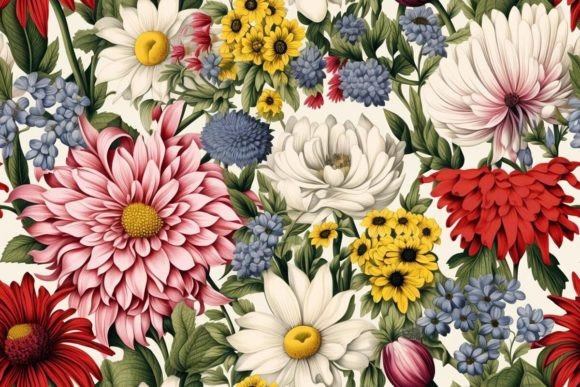
When we talk about floral decorative design in a modern context, we are discussing versatility. The term "floral" often conjures images of traditional chintz or vintage tea rooms, but contemporary interpretations break those boundaries. Today's designs range from hyper-realistic botanical illustrations that look like they were pulled from a 19th-century encyclopedia to abstract, watercolor washes that suggest flowers without defining them. There are also bold, geometric floral overlays and dark-mode compatible neon blooms. The utility of these designs lies in their ability to soften hard edges. In a digital landscape filled with sharp vectors and rigid grids, a well-placed floral element introduces flow and warmth.
Unlocking Creative Possibilities Across Industries
The application of floral wallpaper decorative design extends far beyond interior decoration. For marketers and entrepreneurs, these assets serve as powerful tools for storytelling. Consider a wellness coach launching a new course. Using a soft, sage-green botanical background immediately communicates growth, calm, and natural health before the user reads a single word of copy. Conversely, a fashion blogger might opt for a high-contrast, tropical leaf pattern to convey energy, luxury, and summer vibrancy. The key is alignment. The floral style must match the brand voice.
Creators and freelancers often struggle with finding backgrounds that don't distract from the main content. This is where the technical quality of the design matters. A good floral wallpaper decorative design file, such as the high-resolution JPG included in many asset packs, should have enough negative space or a subtle enough texture to allow text to remain legible. If you are designing social media graphics, look for patterns where the focal points of the flowers are pushed to the corners or edges, leaving the center clear for your headline. This practical approach ensures your design is beautiful but still functional.
Educators and publishers can also leverage these designs to make dry materials more engaging. A workbook on creative writing becomes more inviting with a delicate vine border. A presentation slide deck about sustainability gains credibility when backed by authentic botanical imagery rather than stock photos of people shaking hands. The psychological impact of nature imagery is well-documented; it reduces cognitive load and makes viewers more receptive to information. By integrating floral elements thoughtfully, you aren't just decorating; you are optimizing the user experience.
Styles and Variations to Explore
To truly harness the power of this aesthetic, it helps to understand the different styles available and when to use them. Not every project calls for the same type of bloom.
- Vintage Botanical: Ideal for heritage brands, artisanal products, or projects requiring a sense of history and trust. These often feature muted earth tones and detailed line work.
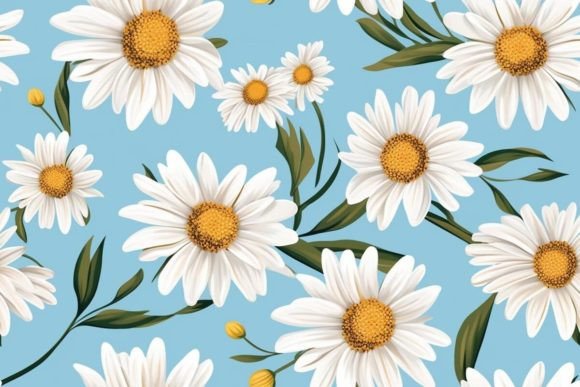
- Modern Abstract: Perfect for tech startups or lifestyle blogs that want to feel fresh and current. Think large brush strokes, unexpected color palettes like teal and coral, and less defined shapes.
- Minimalist Line Art: Excellent for corporate presentations or clean website layouts where subtlety is key. These designs add texture without adding visual noise.
- Bold Tropical: Best for hospitality, travel, or fitness industries. Large monstera leaves and bright hibiscus flowers command attention and evoke a sense of escape.
When selecting a style, consider your audience's expectations. A financial advisor might find bold tropical prints too distracting, whereas a travel agent would find them essential. The beauty of working with digital files, like the JPGs found in standard decorative packs, is the ability to test these variations quickly. You can overlay different textures, adjust opacity, or crop specific sections of the image to create a custom look that feels original to your project.
Practical Tips for Implementation
Having access to great assets is only half the battle; knowing how to use them effectively is what separates amateur work from professional results. One common mistake is using a floral background at full opacity behind dense text. This creates readability issues and frustrates the viewer. A simple fix is to place a semi-transparent solid color box between the text and the image, or to use CSS filters to desaturate or blur the background slightly. This maintains the vibe of the Floral Wallpaper Decorative Design while ensuring your message cuts through clearly.
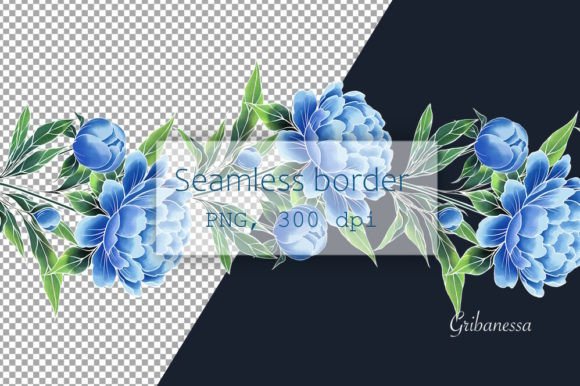
Consistency is another crucial factor. If you choose a specific floral theme for your website header, carry elements of that same palette or style into your social media posts and email newsletters. This creates a cohesive brand ecosystem. It doesn't mean every image must be identical, but the visual language should remain consistent. For instance, if your primary asset features peonies in pastel pinks, avoid suddenly switching to stark black-and-white sunflowers in your next campaign unless you are deliberately signaling a rebrand.
For those working with limited resources, such as a single high-quality JPG file, creativity becomes your best tool. You can slice the image to create matching profile pictures, banner ads, and story backgrounds. You can recolor the image using editing software to match seasonal promotions—turning a spring blossom into an autumn leaf with a hue shift. This adaptability allows small business owners and solo entrepreneurs to maintain a high-end look without needing a library of thousands of images.
Maintaining Originality in a Saturated Market
Because floral designs are popular, there is a risk of your work looking like everyone else's. To avoid this, focus on composition and pairing. Instead of using the floral pattern as a full bleed background, try using it as a framing device. Place the flowers in the foreground with a blurred background, or use them to mask other images. Combining floral elements with typography in unique ways can also set your work apart. Try wrapping text around the stems of a flower or having petals overlap the letters of your logo.
Furthermore, pay attention to the details provided in your asset descriptions. Often, titles are randomly generated and may be misleading, as noted in many download descriptions. Do not rely solely on the file name to determine the image's potential. Open the file, inspect the resolution, and analyze the lighting. Focus on the product image itself. Does the lighting match your other assets? Is the resolution high enough for print if needed? Taking the time to evaluate the actual visual data ensures you are building your project on a solid foundation.
Ultimately, the goal of using floral wallpaper decorative design is to enhance communication, not obscure it. When done right, these elements invite the viewer in, making them feel comfortable and engaged. They add a layer of sophistication and care that tells the audience you value aesthetics as much as functionality. Whether you are designing a landing page, a printed brochure, or a social media campaign, let the organic forms of nature guide your layout. Embrace the imperfections of hand-drawn styles or the precision of vector blooms, but always ensure the final result serves your specific goal.
If you find value in exploring these creative avenues, remember that the community thrives on shared knowledge. Leaving a review or sharing how you adapted a specific design can help others discover new possibilities. Support the creators who provide these resources so they can continue producing high-quality assets. By engaging with the tools available and applying them with intention, you transform simple images into powerful components of your visual strategy.