Sugar Skull Drawing: Colorful Decorative Art Guide
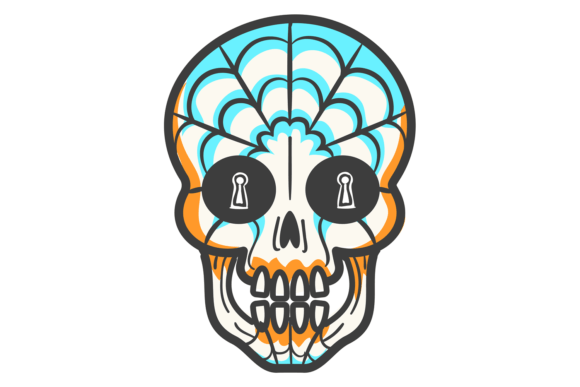
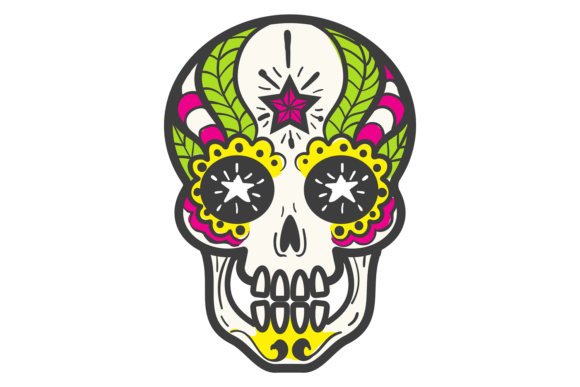
The visual impact of a sugar skull drawing. Colorful decorative elements transform what was once a somber symbol into a vibrant celebration of life and memory. For designers, marketers, and creatives working between the ages of 20 and 50, understanding how to leverage this aesthetic goes beyond mere trend-chasing. It is about tapping into a rich cultural narrative that resonates deeply with audiences seeking authenticity and visual storytelling. When you isolate a colorful decorative dead head on a white background, you are not just creating an image; you are crafting a versatile asset ready for integration into diverse media formats like EPS, JPG, SVG, and transparent PNG.
This specific style of illustration bridges the gap between traditional folk art and modern digital design requirements. The intricate linework combined with bold, saturated hues offers a level of detail that captures attention immediately. Whether you are developing a brand identity for a boutique coffee shop, designing educational materials about global traditions, or creating merchandise for an online store, the utility of these drawings lies in their adaptability. They serve as standalone focal points or as complementary elements within a larger composition.
Defining the Aesthetic and Its Core Strengths
At its heart, a sugar skull drawing. Colorful decorative piece is characterized by symmetry, floral motifs, and geometric patterns that adorn the cranial structure. Unlike realistic anatomical illustrations, these designs prioritize stylization. The "dead head" is rarely frightening; instead, it appears joyful, ornate, and inviting. This paradoxical nature—mixing imagery of mortality with exuberant life—is what makes the subject so compelling for communication strategies.
The strength of using high-quality files, such as vector-based SVG or scalable EPS formats, cannot be overstated. Professionals know that resolution matters. A pixelated image kills credibility. When you source or create a colorful decorative skull isolated on a white background, you ensure that the artwork remains crisp whether it is printed on a business card or blown up for a trade show banner. The transparency offered by PNG files further enhances usability, allowing the design to sit seamlessly over textured backgrounds, photography, or colored layouts without unsightly white boxes framing the art.
Versatility Across Professional and Creative Sectors
The applications for this art style extend far beyond Halloween decorations. In the realm of branding, entrepreneurs often seek visuals that convey uniqueness and a touch of rebellion without being offensive. A well-executed sugar skull can signal creativity and a willingness to embrace complexity. Consider a craft brewery launching a limited-edition stout; packaging featuring a sugar skull drawing. Colorful decorative flourishes instantly differentiates the product on crowded shelves. The visual language suggests premium quality and artistic care.
Educators and publishers also find immense value here. When teaching about cultural heritage, specifically regarding Días de los Muertos (Day of the Dead), having accurate and respectful visual aids is crucial. Using a professionally rendered colorful decorative dead head helps students visualize the tradition's emphasis on honoring ancestors rather than fearing death. These images can be incorporated into presentations, worksheets, or interactive digital modules. Because the files are often available in multiple formats, teachers can easily resize them for projectors or handouts without losing clarity.
For digital marketers and bloggers, engagement is the currency of success. Social media feeds are noisy, and static, generic stock photos often get scrolled past. A vibrant, intricately detailed skull drawing stops the thumb. It invites the viewer to look closer at the details—the swirls, the dots, the petal shapes. This increased dwell time translates to better algorithmic performance. Furthermore, these images work exceptionally well in email headers, blog post featured images, and even as watermarks for video content, adding a layer of professional polish to digital communications.
Technical Considerations for Implementation
When selecting assets for your projects, the file format dictates your workflow efficiency. If your end goal is large-format printing, such as banners or vehicle wraps, prioritizing EPS or SVG files is non-negotiable. These vector formats allow infinite scaling. You can stretch the design to the size of a building, and the lines will remain sharp. Raster formats like JPG or PNG are resolution-dependent; enlarging them too much results in blurriness. However, for web use, social media, or standard document insertion, high-resolution PNGs with transparent backgrounds offer the best balance of quality and file size.
Isolation on a white background is a specific requirement mentioned in many design briefs for a reason. It provides a clean slate. While transparent PNGs are excellent for layering, having a version isolated on white ensures compatibility with software that might struggle with alpha channels or when preparing files for certain print processes where a solid backing is preferred initially. It gives the user the option to remove the background manually if needed or to use the white space as a deliberate design element, perhaps framing the skull within a colored border.
Enhancing User Experience and Brand Perception
Incorporating a sugar skull drawing. Colorful decorative motif can significantly elevate the perceived value of a product or service. It suggests that the creator pays attention to aesthetics and cultural nuance. For freelancers and agency owners, delivering assets that include these high-quality graphical elements demonstrates a commitment to excellence. It shows clients that you understand how to blend artistic flair with technical precision.
Moreover, the psychological impact of color plays a vital role. The typical palette involves bright pinks, electric blues, sunny yellows, and deep purples. These colors evoke energy, optimism, and creativity. When used in a corporate environment that usually leans towards sterile grays and blues, introducing a splash of this colorful art can humanize the brand. It makes the organization feel more approachable and dynamic. This is particularly effective for companies targeting younger demographics or those in creative industries where conformity is less desirable than innovation.
It is also worth noting the importance of cultural respect. While the aesthetic is undeniably popular globally, utilizing these images requires an understanding of their origins. The most successful implementations are those that honor the tradition rather than trivializing it. By choosing high-quality, thoughtfully designed colorful decorative dead head illustrations, professionals signal that they value the artistry behind the symbol. This approach builds trust with audiences who appreciate cultural depth and authenticity.
Ultimately, the decision to use a sugar skull drawing. Colorful decorative element should be driven by the story you want to tell. Whether it is a tale of remembrance, a statement of artistic freedom, or a strategy to boost visual engagement, these images provide a powerful toolkit. From the scalability of SVGs to the convenience of transparent PNGs, the technical specifications support a wide range of creative ambitions. As you evaluate your next project, consider how this vibrant, symbolic art form can solve your design challenges while adding a layer of meaningful beauty to your work.