Elevating Your Projects with Decorative Modern Stylized Flowers
In the fast-paced world of digital design, the visual language you choose speaks volumes before a single word is read. Decorative modern stylized flowers have emerged as a powerful tool for creators who need to convey freshness, growth, and elegance without the visual clutter of hyper-realistic photography. Whether you are a small business owner refreshing your brand identity, a marketer crafting a spring campaign, or a hobbyist designing invitations, these flat vector elements offer a unique blend of artistic flair and functional versatility. However, navigating the vast ocean of available assets can be tricky. Many designers, especially those new to vector graphics, fall into traps that compromise the quality of their final output. Understanding the nuances of botanical design in a flat style is essential to ensuring your work looks professional rather than amateurish.
The Allure of Flat Botanical Design
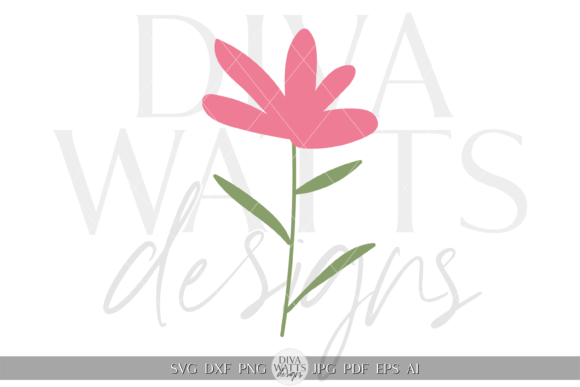
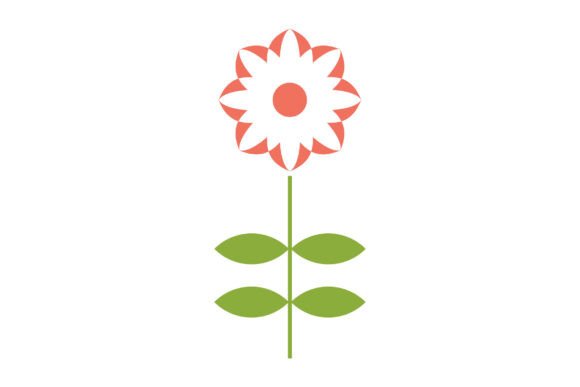
The shift toward flat design in recent years was not just a trend; it was a response to the need for clarity across diverse devices. Decorative modern stylized flowers fit perfectly into this ecosystem. Unlike complex illustrations that rely on gradients, shadows, and textures, flat botanical designs use solid colors and clean lines to represent nature. This approach makes them incredibly scalable. A single vector file can adorn a massive billboard or a tiny mobile app icon without losing crispness. The appeal lies in their ability to simplify complex organic shapes into recognizable, aesthetically pleasing forms that communicate "spring" or "flora" instantly. When used correctly, colorful spring flowers in this style can brighten a user interface, soften a corporate report, or add a touch of whimsy to packaging.
Common Pitfalls in Selecting and Using Floral Assets
Despite their popularity, many users make critical errors when integrating these elements into their workflows. The most frequent mistake involves ignoring the technical format of the download. You will often see listings promising EPS, JPEG, and PNG files. While having options is good, relying solely on raster formats like JPEG or PNG for print projects is a recipe for disaster. These pixel-based images become blurry when enlarged. If you are preparing a brochure or a large banner, you must prioritize the EPS or SVG vector files. Failing to do so results in jagged edges and a lack of professionalism that can undermine your brand's credibility.
Another common oversight is the misuse of color palettes. Flat design relies heavily on color to create depth and interest since it lacks shading. A frequent error is choosing a set of decorative modern stylized flowers where the colors clash with the existing brand guidelines or are too saturated for the intended medium. For instance, neon-bright botanical elements might look exciting on a screen but can appear cheap and overwhelming in print. Conversely, muted pastels might get lost on a dark website background. Always evaluate the hex codes of the floral elements against your project's background before committing to a purchase or download.
Misunderstanding Scale and Composition
Beginners often treat floral elements as mere fillers, scattering them randomly across a layout to "add color." This approach rarely works. Botanical species, even when stylized, have a natural flow and direction. Placing a flower upside down or rotating stems in conflicting directions creates visual tension that confuses the viewer. Effective design requires intentionality. Consider how the curves of the stems guide the eye toward your call-to-action or headline. A well-composed arrangement of flat vector flowers should frame content, not compete with it.
Furthermore, there is a tendency to overcrowd designs. Because these assets are often sold in large bundles containing dozens of species, there is a temptation to use them all. This leads to visual noise. Remember that white space is just as important as the design elements themselves. Using two or three distinct floral motifs effectively is far superior to cramming ten different species into a single corner. Simplicity enhances the modern aesthetic that these vectors are meant to embody.
Practical Strategies for Better Results
To avoid these pitfalls and maximize the potential of your assets, adopt a more critical evaluation process before you begin designing. When browsing for decorative modern stylized flowers, look beyond the preview image. Check the layer structure of the EPS files if possible. Well-organized vectors will have separate layers for petals, stems, and leaves, allowing you to recolor individual parts to match your specific needs. If the entire flower is grouped into a single uneditable shape, you lose the flexibility that makes vector art so valuable.
It is also crucial to consider the context of your audience. Are you designing for a tech startup or a wedding planner? The style of the botanical elements should align with the emotional tone of the project. Sharp, geometric floral shapes convey modernity and innovation, suitable for tech or finance sectors. Softer, rounded petals with organic curves evoke warmth and tradition, ideal for lifestyle brands or event planning. Matching the stylistic nuance of the flowers to your message ensures better communication and higher engagement.
Optimizing File Usage for Different Media
Understanding when to use which file format is a hallmark of an experienced creator. Use the PNG files with transparent backgrounds for quick web prototypes or social media posts where speed is key and vector editing isn't necessary. Reserve the EPS files for any print production, including business cards, flyers, and merchandise. If you are working in a web environment that supports it, converting these vectors to SVG code can improve loading times and ensure perfect rendering on high-DPI screens. Never stretch a JPEG to fit a space; always swap it for the vector version to maintain sharpness.
Additionally, pay attention to licensing terms. Many free resources come with restrictions that prevent commercial use. As an entrepreneur or freelancer, using an asset without the proper license can lead to legal issues and unexpected costs down the line. Always verify that the decorative modern stylized flowers you download are cleared for the specific type of project you are undertaking, whether it's for resale items like t-shirts or for internal corporate presentations.
Making Informed Decisions
Ultimately, the goal is to enhance your visual storytelling, not distract from it. Before finalizing your design, step back and ask if the floral elements serve a purpose. Do they guide the eye? Do they reinforce the theme of spring and renewal? Or are they just decoration? By treating these botanical elements as integral components of your design strategy rather than afterthoughts, you elevate the overall quality of your work.
Take the time to curate your library. Instead of hoarding thousands of low-quality clips, invest in a few high-quality packs of decorative modern stylized flowers that offer variety in species and color schemes. Look for collections that include complementary icons, leaves, and patterns to ensure consistency across your projects. This selective approach saves time in the long run and ensures that every element you place on the canvas contributes to a cohesive, professional, and visually stunning result.
By avoiding common technical errors, respecting the principles of composition, and choosing the right formats for the right mediums, you can harness the full power of flat botanical design. Whether you are building a brand from scratch or adding a seasonal touch to an existing campaign, these colorful spring flowers offer endless possibilities for creativity when handled with care and expertise.