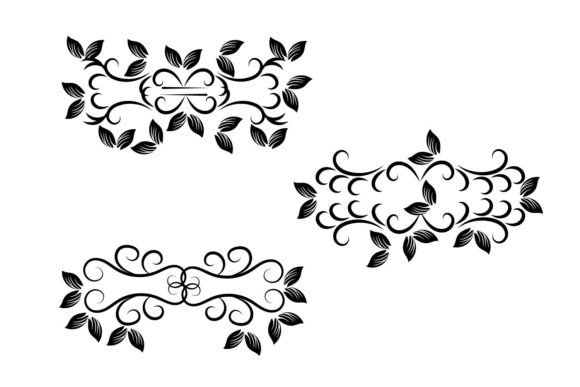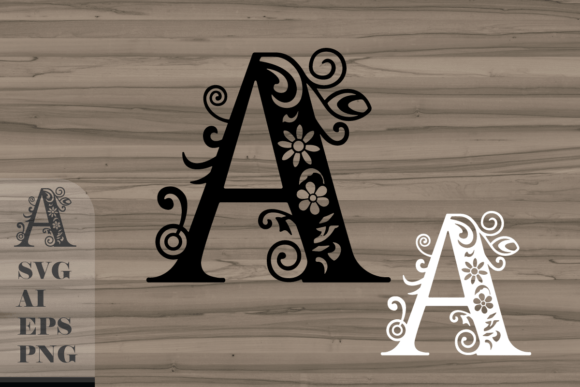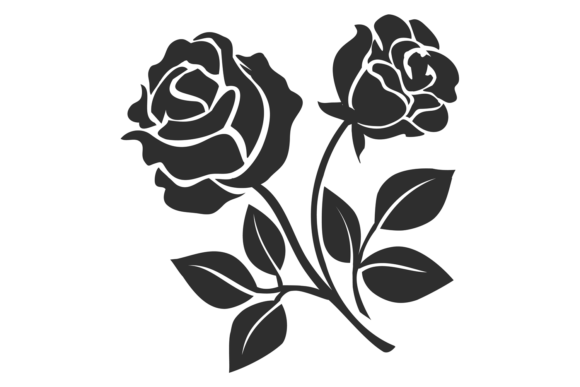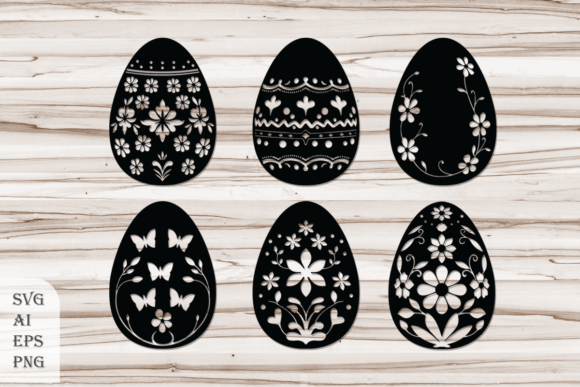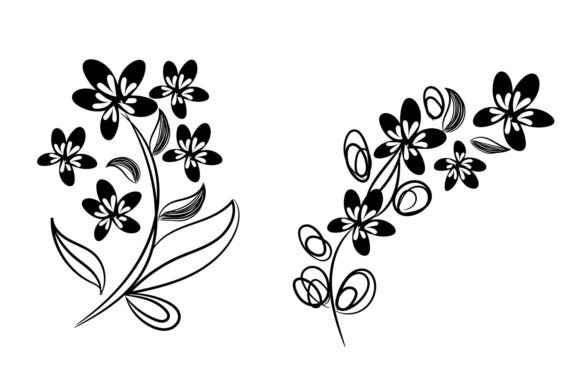
Elevate Designs with Our Floral Decorative Elements
In the fast-paced world of digital design, finding assets that strike the perfect balance between aesthetic appeal and technical versatility can feel like searching for a needle in a haystack. Whether you are crafting a wedding invitation suite, designing a brand identity for an organic skincare line, or laying out a seasonal blog post, the right visual components make all the difference. This is where a comprehensive Floral Decorative Elements Collection becomes an indispensable resource for creators who value both beauty and efficiency.
This collection is not merely a folder of clipart; it is a curated toolkit designed to streamline your workflow while expanding your creative horizons. By providing files in multiple industry-standard formats, including AI, EPS, SVG, PDF, and high-quality PNG, this package ensures that regardless of your preferred software or output medium, you have the right file for the job. The inclusion of vector formats means every petal, leaf, and stem can be scaled from the size of a business card to a billboard without losing a shred of crispness or detail.
Why Versatility Matters in Modern Design
The true power of this collection lies in its adaptability. In professional settings, projects rarely stay confined to a single platform. A logo designed in Adobe Illustrator might need to be exported for a website, printed on packaging, and animated for social media. Having access to both vector and raster formats eliminates the friction often caused by incompatible file types.
For users working with Adobe Illustrator or CorelDRAW, the AI and EPS files offer full editability. You can recolor individual elements to match specific brand palettes, rearrange compositions to fit unique layouts, or isolate specific flowers to create custom patterns. Meanwhile, web designers and content creators who rely on tools like Canva, Figma, or standard word processors will find the high-quality PNG and SVG files invaluable. These formats allow for immediate drag-and-drop functionality with transparent backgrounds, saving hours of manual masking and editing time.
It is important to ensure your machine has the capability to open and manipulate these diverse formats. While most modern creative suites handle them effortlessly, verifying your software compatibility beforehand ensures a smooth experience from download to final export. If you encounter any technical hurdles, remember that support is available; reaching out for assistance can quickly resolve format issues so you can get back to creating.
Creative Applications Across Industries
The applications for a robust floral library are nearly endless, spanning various industries and creative goals. Here is how different professionals can leverage these elements to achieve distinct objectives:
- Wedding and Event Planners: Create cohesive stationery suites including save-the-dates, menus, and place cards. The elegance of botanical illustrations adds a timeless touch to formal events, while the ability to scale vectors ensures print quality remains pristine on textured paper stocks.
- Small Business Owners: Develop a recognizable brand identity for boutiques, cafes, or florists. Use the elements to design logos, packaging labels, and shopping bags that communicate freshness and natural quality.
- Digital Marketers and Bloggers: Enhance social media graphics and website headers. The PNG files are optimized for quick loading times while maintaining visual clarity on retina displays, helping to increase engagement rates on platforms like Instagram and Pinterest.
- Educators and Publishers: Illustrate textbooks, worksheets, or educational apps. Botanical elements can make learning materials more engaging for students, breaking up text-heavy pages with visually appealing dividers and icons.
Strategies for Consistent Branding
One of the biggest challenges in using stock assets is maintaining originality. To avoid the "cookie-cutter" look, it is essential to approach the Floral Decorative Elements Collection with a strategy. Instead of using elements exactly as they appear in the preview, consider modifying them. Change the color saturation to create a moody, autumnal vibe or desaturate them for a minimalist, monochromatic aesthetic.
Consistency is key when building a brand. Select a subset of flowers and foliage from the collection and stick to them across all your marketing materials. This creates a visual language that your audience will instantly recognize. For example, if you choose a specific style of rose and eucalyptus leaf for your Instagram posts, carry those same elements over to your email newsletters and product packaging. This repetition builds trust and professionalism.
Technical Best Practices for Optimal Results
To get the most out of these files, understanding the strengths of each format is crucial. When preparing files for print production, always prioritize the EPS or PDF versions. These vector formats ensure that lines remain sharp and colors separate correctly during the printing process. Always convert text to outlines and embed images if you are sending files to a third-party printer to avoid missing font errors.
For digital applications, the SVG format is superior for responsive web design. Unlike PNGs, which can become pixelated when enlarged, SVGs scale infinitely and often result in smaller file sizes, improving page load speeds—a critical factor for SEO and user experience. However, if you need complex textures or shadows that vectors cannot easily replicate, the high-quality PNG files provided in this collection offer the necessary depth and realism.
Organization is another vital component of a smooth workflow. Upon downloading the compressed zip file, take a moment to sort the assets into folders based on type or theme. Naming conventions matter; renaming files from generic codes to descriptive titles like "Peony_Red_Vector.ai" or "Leaf_Green_Transparent.png" can save you significant time when searching for specific elements months down the line.
Fostering Originality in a Saturated Market
In a digital landscape flooded with templates, standing out requires a personal touch. Use this collection as a foundation rather than a finished product. Combine floral elements with typography, geometric shapes, or hand-drawn sketches to create hybrid designs that reflect your unique voice. Experiment with layering; place a delicate flower behind a bold headline to create depth, or use foliage as a frame to draw the viewer's eye to the center of your composition.
Remember that creativity often thrives within constraints. Limiting yourself to three or four elements from the collection for a single project can force you to be more inventive with layout and spacing. This approach often yields cleaner, more impactful designs than overcrowding a canvas with too many decorative details.
Ultimately, the goal of utilizing a Floral Decorative Elements Collection is to enhance your storytelling. Whether you are selling a product, sharing an idea, or celebrating a milestone, these visual tools help convey emotion and context instantly. By mastering the technical aspects of the files and applying them with strategic intent, you can elevate your work from ordinary to extraordinary.
If you ever find yourself unsure about how to implement a specific file type or need inspiration on how to adapt an element for a unique project, do not hesitate to seek guidance. The creative community is built on shared knowledge, and resolving technical questions quickly allows you to focus on what you do best: creating meaningful, beautiful work. With the right tools and a clear vision, the possibilities for your next project are truly blooming.